The House Edge Explained
The concept of the house edge is fundamental to understanding how casinos operate. This term refers to the built-in advantage that the casino has over players in any given game. For instance, in a game like blackjack, the house edge can vary, but it typically hovers around 1-2% when optimal strategies are employed by players. This means that, on average, for every $100 wagered, players can expect to lose $1 to $2, allowing the casino to maintain profitability over time, especially when considering options like rocket casino login for online play. The house edge is not merely a theoretical number; it is an essential aspect of how casinos ensure long-term profitability while providing entertainment to their customers.
The house edge varies significantly across different games, which is critical for players to understand. Games like slot machines may have a higher house edge, sometimes exceeding 10%, meaning players could lose more money in the long run. Conversely, games with strategic elements like poker or blackjack offer lower house edges, especially when players utilize effective strategies. Understanding these nuances can help players make informed decisions on which games to choose based on their risk tolerance and playing style. The difference in house edge underscores the importance of choosing games wisely based on one’s knowledge and skill level.
Additionally, while the house edge exists, it doesn’t guarantee immediate losses for players. There are instances of players winning substantial amounts, particularly if they are skilled in strategy-based games. Nonetheless, the statistical advantage of the house remains significant. Players need to recognize that while short-term wins can occur, the long-term odds are systematically structured to favor the casino, making consistent beating of the house a challenging prospect. The reality is that the house edge is designed to ensure that, over a large number of games, the casino will always come out ahead.
Strategies to Improve Winning Odds
While the house edge is a formidable factor, players can adopt strategies aimed at minimizing losses and potentially increasing their odds of winning. In games like blackjack, players can use techniques such as card counting to adjust their betting patterns based on the cards that have been dealt. While this strategy requires practice and a keen understanding of the game, it can help players gain a slight edge over the house when executed correctly. Card counting is not illegal, but it is frowned upon by casinos, and players employing this tactic often have to be discreet in their play.
Similarly, in poker, understanding the intricacies of game theory and player psychology can significantly boost a player’s chances of success. Skilled poker players rely on their ability to read opponents, manage their bankroll effectively, and utilize strategies like bluffing when appropriate. Mastery of these aspects can lead to profitability, as poker involves not only luck but also strategy and skill that can tip the scales in favor of the more experienced player. The ability to analyze opponents and make calculated moves is what often separates winning players from the rest.

It is crucial to approach gambling with realistic expectations. While strategies can improve the odds, no method guarantees success. Players should view gambling primarily as a form of entertainment rather than a reliable way to make money. Establishing a budget and understanding the risks involved is key to enjoying the gaming experience while minimizing the potential for significant losses. A successful gambling experience is often defined not by wins or losses, but by the enjoyment of the game and the social aspects of playing.
The Role of Luck in Gambling
Luck plays an undeniable role in gambling, particularly in games largely driven by chance, such as slots or roulette. These games operate on random number generators or similar mechanisms, making it impossible to predict outcomes based solely on skill or strategy. Players may have moments of luck where they hit a jackpot or win significant amounts, but relying solely on luck can be a risky endeavor. The thrill of not knowing the outcome adds an element of excitement, but it also means that players should be prepared for the unpredictability of their results.
The unpredictability of these games is part of their allure; players are drawn to the excitement of the unknown. Many enjoy the thrill of taking chances, believing that their number could come up at any moment. However, it’s essential to understand that luck can be fickle. Players may experience winning streaks, but these are often followed by losses, reinforcing the idea that gambling should be approached with caution. This cyclical nature of luck means that players must balance their enthusiasm with a sense of realism regarding their chances of winning.
Moreover, while some players may attribute their wins to lucky streaks, it’s worth noting that sustained success in games of chance is rare. The randomness of results means that even the most optimistic players should remain cautious and prepared for the possibility of loss. Balancing the thrill of luck with a sound strategy and an understanding of the house edge is critical to a successful gaming experience. Recognizing that luck is just one part of a larger picture can help players maintain a healthy perspective on their gambling endeavors.
The Importance of Bankroll Management
Bankroll management is a crucial aspect of gambling that can significantly affect a player’s longevity and enjoyment at the casino. This practice involves setting a strict budget for gambling activities and sticking to it, ensuring that players do not overspend and mitigate the risk of financial hardship. By allocating a specific amount of money to gambling, players can enjoy themselves without the anxiety of losing more than they can afford. This discipline is essential for maintaining a positive gambling experience and avoiding the pitfalls of chasing losses.
Effective bankroll management also involves understanding bet sizes and adjusting them according to the game and one’s current performance. Players should consider factors such as the house edge and their current winnings or losses when determining how much to bet. For instance, after a win, some players may choose to increase their bets slightly, while others may prefer to take a more conservative approach, thereby extending their gameplay and enhancing their overall experience. This adaptability can make a significant difference in how long players can enjoy their time at the casino.
In addition to setting budgets and adjusting bet sizes, keeping track of wins and losses can provide valuable insights into gambling habits. By maintaining an awareness of how much they spend and win, players can make informed decisions about their gameplay. This awareness helps prevent impulsive betting and encourages a more disciplined approach to gambling. Ultimately, effective bankroll management is about maximizing enjoyment while minimizing risks, allowing players to engage with the casino experience responsibly.
Understanding the Casino Experience
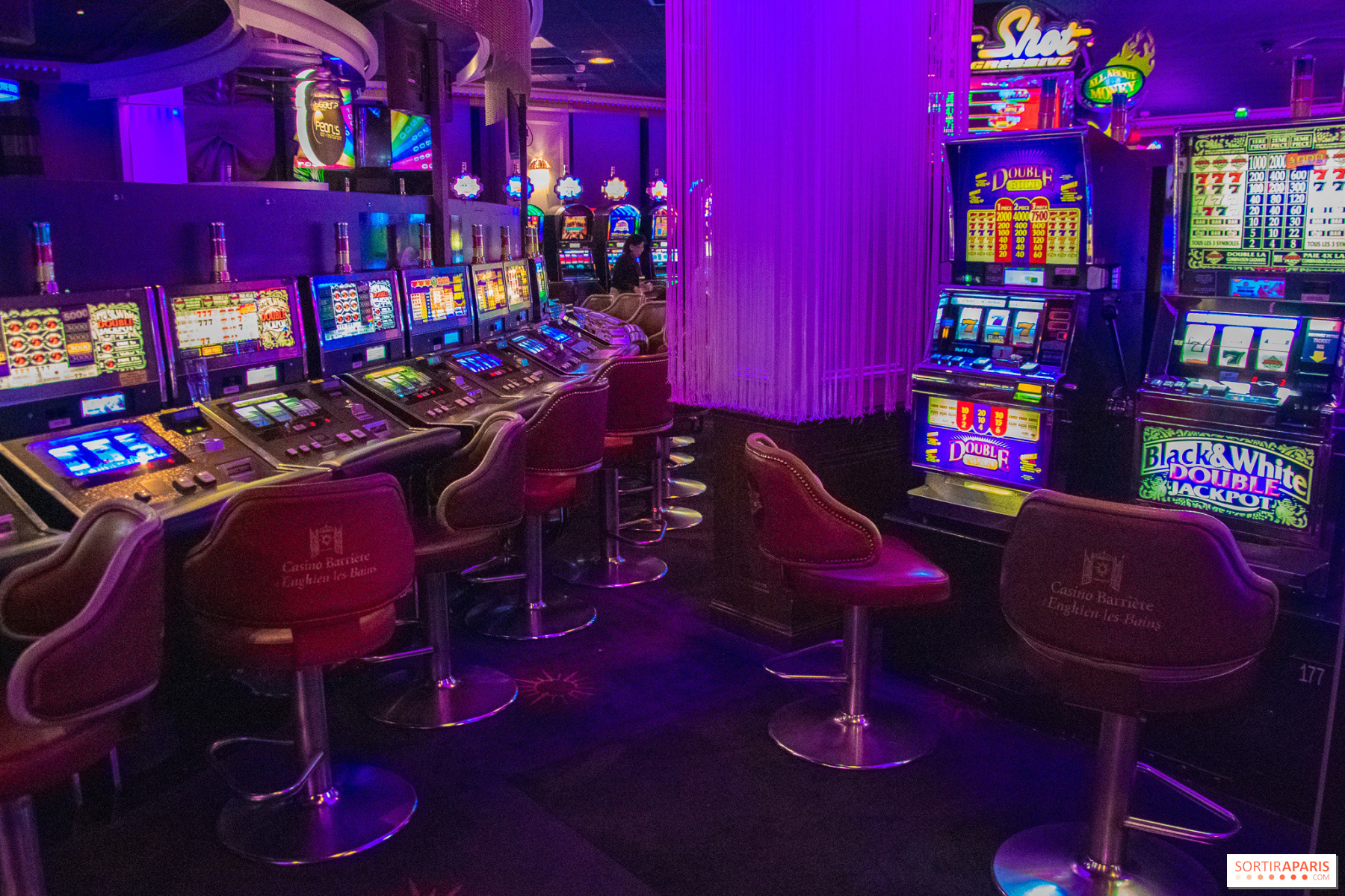
The casino experience itself is crafted to enchant and entertain, making it easy for players to lose track of both time and money. With vibrant lights, enticing sounds, and an atmosphere designed to thrill, casinos are adept at drawing players into a state of excitement. This carefully constructed environment can heighten both the joys of winning and the sting of losses, often leading to players spending more than they initially planned. Recognizing the psychological tactics employed by casinos can empower players to make more mindful choices while gaming.
Many players visit casinos for the social aspect, enjoying the camaraderie of gaming with friends or meeting new people at tables. This social interaction can enhance the overall experience, but it can also lead to increased spending as players may feel pressured to keep up with their peers. Awareness of the environment and its potential influence on behavior is crucial for players aiming to maintain control over their gambling activities. Establishing personal boundaries and understanding one’s motivations for playing can help mitigate the risks associated with social gambling.
Ultimately, understanding the casino experience involves recognizing the balance between entertainment and responsibility. Setting limits, both in terms of time and money, can help players enjoy the thrill of the games without succumbing to the pitfalls that can accompany excessive gambling. By approaching casinos with a balanced mindset, players can enhance their enjoyment while minimizing risks associated with gaming. This awareness can lead to a more fulfilling experience that prioritizes entertainment over financial gain.